Source Hand Painted Fiberglass Donut Sculpture for Decor
Find 30 hand painted fiberglass donut sculpture options for mall displays, home decoration, and business gifts. Compare custom sizes, matte or shiny finishes, and integral molding crafts from Chinese manufacturers to select the ideal free-standing landscape statue.
Key considerations
Products List


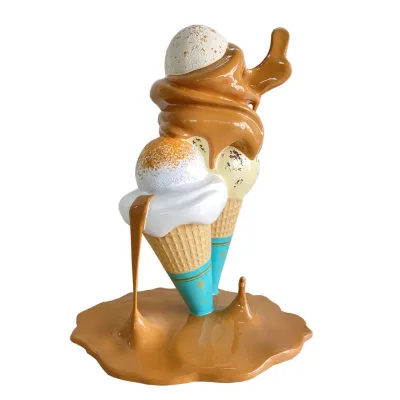


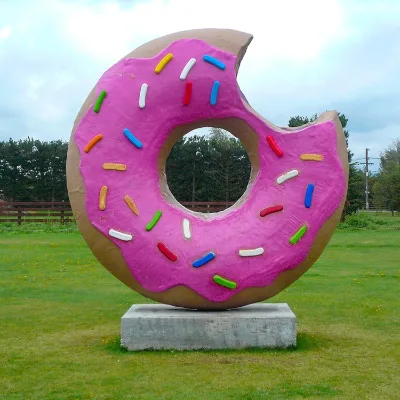
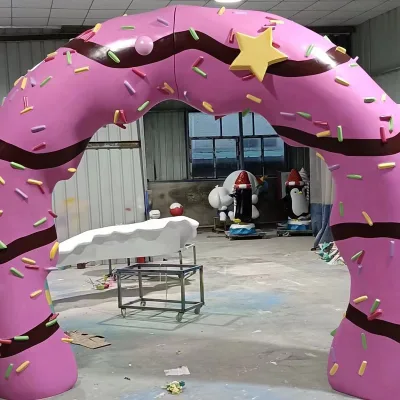


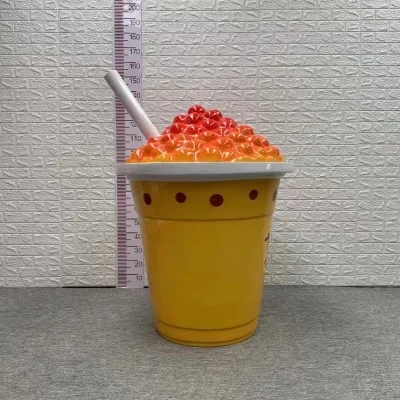
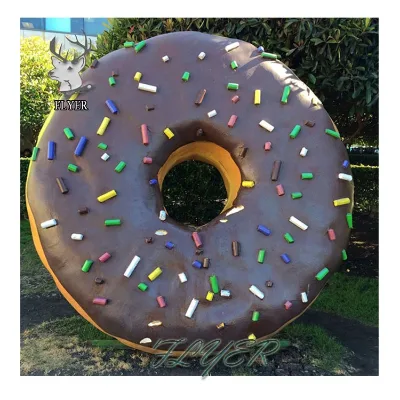


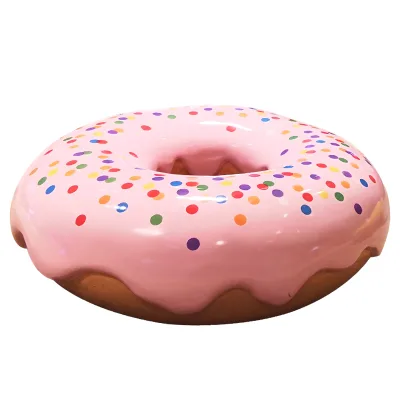
Comprehensive Sourcing Guide
Hand Painted Fiberglass Donut Sculpture Sourcing Guide
Procuring hand-painted fiberglass donut sculptures requires a nuanced understanding of the intersection between artistic customization and industrial manufacturing standards. These items are frequently utilized as eye-catching props for mall decorations, holiday events, and business gifts, serving as both functional art pieces and brand ambassadors. The core material, fiberglass reinforced plastic (FRP), offers the necessary durability for outdoor environments while allowing for the complex, organic shapes characteristic of donut designs. Buyers must recognize that while the base material is consistent, the final aesthetic is heavily dependent on the surface treatment processes, which range from matte paint finishes to shiny, burnished coatings.
The sourcing landscape for these sculptures is defined by a high degree of customization, with suppliers offering tailored sizes, colors, and logo engravings to meet specific marketing or decorative needs. Observed listings indicate that production is predominantly hand-made, utilizing integral molding crafts to achieve the desired form. This manual intervention ensures that the "hand-painted" aspect is genuine, adding value through unique brushwork and color blending that automated processes cannot replicate. However, this reliance on manual labor also introduces variability in lead times and requires rigorous quality control to ensure consistency across multiple units for large-scale deployments.
Product Scope and Observed Listing Signals
When evaluating product listings, buyers should look for specific signals that confirm the item meets the "hand-painted" and "fiberglass" criteria. The observed product range includes variations labeled as "Fiberglass Ice Cream Sculpture" or "Free-Standing Landscape Statue," which often share the same manufacturing lineage as donut sculptures. Key attributes to verify include the material specification of "MGO Fiberglass" or standard "Fiberglass," alongside surface treatments described as "Polished," "Painted," or featuring a "Matte Paint Finish." The presence of "Hand-Made" or "Hand Making Crafts" in the process description is a critical indicator of the manual finishing work required for high-quality hand-painted results.
The scope of these products extends beyond simple decorative items to include functional applications in commercial spaces. Listings frequently cite usage scenarios such as "Mall Decoration Prop," "Home Decoration," and "Art & Collection," indicating versatility in placement. Buyers must distinguish between products intended for indoor use, such as those marked "Suitable For: Home," and those designed for "Outdoor" durability, which often feature enhanced surface treatments like "Burnish & Painting Color." The observed model numbers, such as FRP-SM or FY-FF13, suggest a standardized cataloging system, but the actual customization options like "Custom Size" and "Customized Color" allow for significant deviation from standard templates.
Technical Specifications to Verify
Technical verification begins with the structural integrity of the fiberglass shell, which must be robust enough to support the weight of the sculpture while maintaining the delicate details of the donut shape. Buyers should confirm the specific molding technique, often described as "Integral Molding Craft," which ensures a seamless surface free from visible seams that could compromise the paint finish. The dimensions are a critical variable, with observed specifications ranging from standard sizes to "Large" custom dimensions, such as the 10880150cm example found in listings. It is essential to verify that the "Custom Size" option aligns with the intended installation space and structural support requirements.
Surface finish and color fidelity are paramount for hand-painted items, as the visual appeal is the primary driver of purchase. Specifications should explicitly state the surface effect, whether it is a "Shiny" gloss or a "Matte Paint Finish," and confirm that the painting process involves multiple layers for depth and durability. The "Standard Size" or "As customized" production standards indicate that the supplier can accommodate specific height requirements, often ranging from 60cm to 300cm. Additionally, the "Surface Treatment" must be verified to ensure it includes protective coatings suitable for the intended environment, particularly if the sculpture is to be placed outdoors where UV resistance and weatherproofing are necessary.
Compliance and Safety Documentation
While specific certification documents are not universally listed in the provided facts, buyers must request evidence of material safety and fire resistance, especially for sculptures intended for public spaces like malls or churches. The use of fiberglass and resin requires verification that the materials comply with local building codes and fire safety standards, which can vary significantly by region. For outdoor installations, the paint and coating systems should be tested for UV stability and resistance to fading, ensuring the "Customized Color" remains vibrant over time. Buyers should ask for Material Safety Data Sheets (MSDS) to confirm that the resins and pigments used are non-toxic and safe for public interaction.
Packaging and shipping documentation are equally critical to ensure the sculpture arrives without damage, given the fragility of the painted surface. Observed packing methods include "Strong Wooden Crate+Inner Cotton Wrap" or "Plywood Case" with "Inner: Plastic Foam or Foam," which are essential for protecting the "Shiny" or "Painted" surfaces during transit. Buyers must verify that the packaging is robust enough to withstand international shipping conditions, particularly for items originating from regions like Guangdong or Hebei, China. Documentation should also include a detailed inspection report confirming that the "Hand-Made" craftsmanship meets the agreed-upon quality standards before the item leaves the factory.
Cost Drivers and Commercial Terms
The cost of hand-painted fiberglass donut sculptures is driven primarily by the labor intensity of the manual finishing process and the level of customization required. Unlike mass-produced items, the "Hand-Made" nature of these sculptures means that each unit requires significant time for molding, sanding, and painting, which directly impacts the price. The observed price range of 19 to 2899 USD reflects the vast difference between small, standard-sized items and large, custom-designed pieces with complex color gradients or logo engravings. Buyers should anticipate that "Custom Size" and "Customized Color" options will incur additional charges compared to standard catalog items.
Commercial terms regarding Minimum Order Quantity (MOQ) and lead times are flexible but must be clearly defined in the purchase agreement. The observed MOQ is consistently low, often starting at "1 Piece" or "1 PCS," which makes these sculptures accessible for small businesses or individual collectors. However, the "Delivery Time" of approximately "Three Weeks" for custom orders indicates that rush fees may apply for expedited production. Buyers should also consider the "After-sales Service" terms, such as the "2 Years" warranty observed in some listings, which can provide peace of mind regarding the durability of the paint and structural integrity of the fiberglass.
Supplier Qualification and Quality Control
Selecting a qualified supplier requires verifying their capability to execute complex hand-painting techniques consistently across multiple units. Buyers should request a portfolio of previous work that demonstrates the "Hand Making Crafts" and "Surface Effect" quality, specifically looking for examples of "Ice Cream" or "Figure" styles that match the desired aesthetic. The origin of the product, often listed as "Guangdong, China" or "Hebei, China," can be an indicator of the supplier's specialization in fiberglass manufacturing, as these regions have established industrial clusters for FRP products. It is crucial to confirm that the supplier has the necessary equipment for "Integral Molding Craft" and the skilled labor force required for the "Burnish & Painting Color" processes.
Quality control protocols must be established to ensure that the final product matches the approved samples and design specifications. Buyers should insist on a pre-shipment inspection that checks for surface imperfections, color consistency, and structural soundness, particularly for "Free-Standing Landscape Statue" applications. The "Standard" production requirements, such as "Height 60-300cm," should be strictly adhered to, with any deviations requiring explicit approval. Additionally, the "Brand Name" and "Product Name" should be verified to ensure they align with the buyer's branding requirements, especially when "Logo Engraving" is part of the customization.
Long-Term Procurement Checks
Establishing a long-term relationship with a supplier involves regular audits of their production capabilities and quality consistency. Buyers should schedule periodic reviews of the "Surface Treatment" and "Material Craft" processes to ensure that the supplier maintains the same level of craftsmanship over time. As the market evolves, the demand for more durable or eco-friendly materials may arise, so it is important to stay informed about new developments in fiberglass and resin technology. Regular communication regarding "Customizable Content" updates, such as new color trends or design styles, will help keep the product line fresh and relevant for marketing campaigns.
Maintenance and replacement strategies should be developed to manage the lifecycle of the sculptures, particularly for outdoor installations exposed to the elements. Buyers should inquire about the availability of touch-up kits or repair services for the "Painted" surfaces, ensuring that the "2 Years" warranty or similar after-sales support is actionable. Monitoring the "Delivery Time" and "MOQ" trends can also help in planning future procurement cycles, allowing for better inventory management and cost forecasting. By maintaining a proactive approach to supplier management, buyers can ensure a steady supply of high-quality hand-painted fiberglass donut sculptures that meet their evolving business needs.
FAQs
Can I customize the size and color of the sculpture?
Yes, customization is available for size, color, and logo engraving. The product supports integral molding craft to meet specific design requirements. Buyers can request customized colors to match their brand or interior theme. This flexibility ensures the sculpture fits various application scenes, including mall decorations and home displays.
What material is used for the hand painted fiberglass donut sculpture?
The sculpture is crafted from MGO Fiberglass or Resin, depending on the specific model. These materials provide durability for both indoor and outdoor use. The surface treatment includes polishing and matte paint finishes or shiny burnish effects. This construction ensures the figure remains stable and visually appealing for art collection or business gifts.
What is the minimum order quantity for this product?
The minimum order quantity is one piece or one PCS. This low MOQ allows buyers to test the product quality before placing larger orders. It is suitable for small businesses or individual collectors seeking unique home decorations. The flexible ordering policy supports various procurement needs without requiring bulk commitments.
How long does delivery take for this sculpture?
The standard delivery time is three weeks. This timeline accounts for the hand-made processing and surface painting techniques. Buyers should consider this lead time when planning holiday gifts or mall decoration props. The production schedule ensures each piece receives careful attention to detail before shipping.
What packaging is used for shipping the sculpture?
The sculpture is packed in strong wooden crates or plywood cases. Inner protection includes plastic foam, cotton wrap, or foam to prevent damage. This robust packaging ensures safe transit for large or fragile items. The method is designed to protect the polished surface and integral molding during international shipping.
Where is the sculpture manufactured?
The product originates from China, specifically Guangdong or Hebei regions. These locations are known for skilled craftsmanship in fiberglass and resin figures. The manufacturing process involves hand-making techniques to achieve natural styles. Buyers can expect consistent quality from these established production areas.